Articles
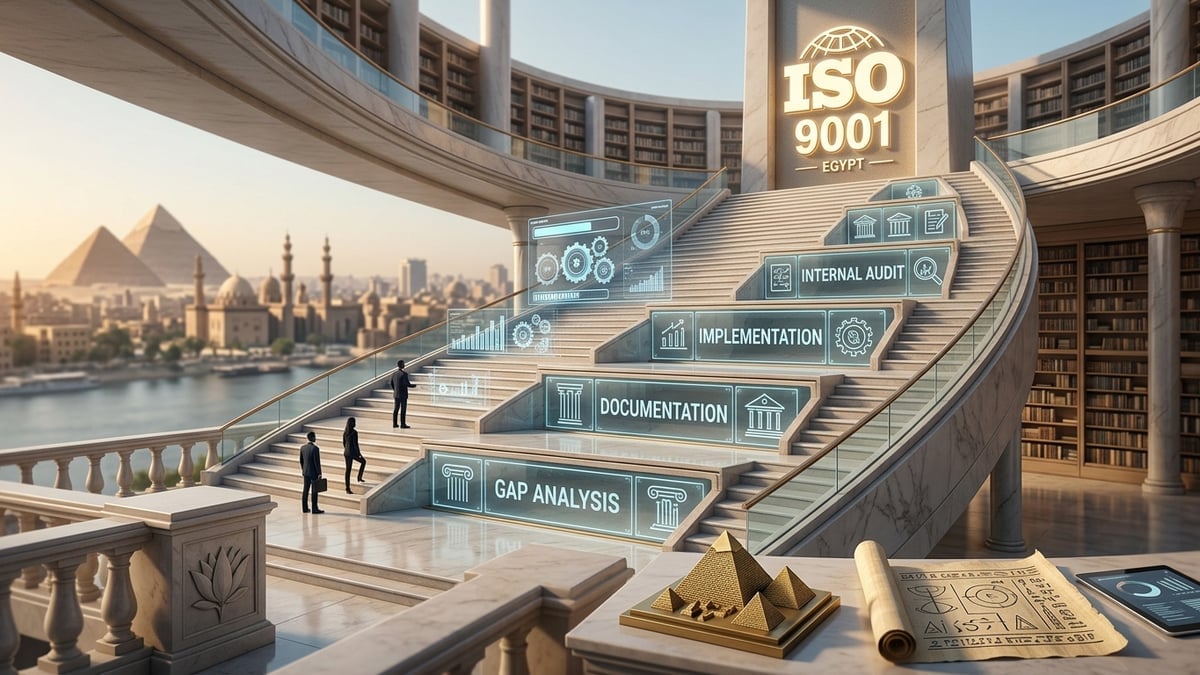
⬇️ Scroll down for the Arabic version / لقراء ة النسخـة العربيـة انزل لأسفـل Step-by-Step Guide: How to Get ISO 9001 Certification in Egypt ISO 9001 (Quality Management System) is the world’s most recognized standard for proving an organization's capability to deliver products and services that meet customer expectations and regulatory requirements. In Egypt's highly competitive market, this certification is no longer just a marketing "luxury" it has become a baseline requirement for entering major tenders, exporting abroad, and doing business with government entities and multinational corporations. If your company aims to elevate its performance and secure this international accreditation, here is a practical, step-by-step blueprint to achieving ISO 9001 certification in Egypt. Step 1: Strategic Decision & Top Management Commitment The journey begins at the top of the corporate ladder. Implementing a Quality Management System (QMS) requires a genuine commitment from senior leadership to allocate the necessary resources (financial and human) and appoint a Management Representative (MR) or form a dedicated steering committee. Without this leadership buy-in, the system runs the risk of becoming mere paperwork. Step 2: Gap Analysis Before writing any new policies, you must evaluate your company's current status: - What processes are already effectively in place? - Where are the gaps between your current operations and the strict requirements of the ISO 9001 standard? The Outcome: A comprehensive report outlining exactly what your company already possesses and what needs to be developed. Step 3: Planning and System Design Based on the gap analysis, a clear timeline and action plan are established, which include: - Determining the Context of the Organization (internal and external factors influencing your business). - Identifying Interested Parties (customers, suppliers, regulatory bodies). - Defining corporate Risks and Opportunities and outlining action plans to address them. Step 4: QMS Documentation The core philosophy of ISO is: "Write what you do, and do what you wrote." During this phase, you will develop the mandatory documentation, which typically includes: - Quality Policy and Objectives: The company's measurable vision for quality. - Standard Operating Procedures (SOPs): Step-by-step guides on how core operations (procurement, sales, production, etc.) are executed. - Work Instructions (WIs): Specific, detailed instructions for highly critical tasks. - Forms and Records: The templates used daily to gather evidence that procedures are being actively followed. Step 5: Implementation and Training This is where the system transitions from paper to real-world application: - Staff awareness training is conducted to ensure employees understand the new procedures and their vital role in the system. - Active utilization of the new forms begins, collecting records over a specific period (usually 1 to 3 months) to demonstrate system maturity and stability. Step 6: Internal Audit Before inviting an external third party, the company must cross examine itself: - Selected employees are trained to become Internal Auditors, or an external consultant is utilized. - The internal audit team reviews all processes to ensure compliance with the documented system and to catch and correct any deviations early. Step 7: Management Review Meeting (MRM) Top management and the quality team meet to review the overall performance of the QMS. The agenda covers: - Internal audit results. - Customer feedback and complaints. - Status of quality objectives. - Decisions regarding continuous improvement and the allocation of any necessary resources. Step 8: Selecting a Certification Body & External Audit The final trial: the company selects an accredited Certification Body (CB) operating in Egypt. The external audit happens in two sequential stages: - Stage 1 Audit (Documentation Review): The auditor reviews your QMS documentation to ensure total readiness. - Stage 2 Audit (On-Site Assessment): Auditors visit your facilities, interview employees, and verify that actual daily operations perfectly mirror your written documentation. 💡 Tip for the Egyptian Market: Ensure that the Certification Body you choose is accredited by a recognized national or international accreditation body such as the Egyptian Accreditation Council (EGAC), or international counterparts like UKAS or IAS. This guarantees your certificate is legally recognized in local tenders and international markets alike. Step 9: Certification and Continuous Improvement If no Major Non-Conformities are found, the auditors will recommend your company for ISO 9001 certification. - Validity: The certificate is valid for 3 years. - Surveillance Audits: The certification body will conduct annual surveillance audits to ensure the company maintains and continuously improves its system. Need Expert Guidance? If your company lacks a dedicated quality department to build this system from scratch, partnering with a specialized corporate consulting and training firm is the most effective shortcut to success. At TAKAMOL Consulting and Training Co., we assist organizations across Egypt through the entire qualification and implementation process, ensuring your QMS drives real operational efficiency rather than just becoming a framed certificate on the wall. 📧 Get in touch with our team today to start your journey: Info@takamol-eg.com ------------------------------------------------------------------------------ دليل خطوة بخطوة: كيف تحصل على شهادة الأيزو 9001 في مصر؟ تعد شهادة الايزو 9001 (نظام إدارة الجودة) المعيار الأكثر شهرة عالميًا لإثبات كفاءة المؤسسات وقدرتها على تقديم منتجات وخدمات تلبي تطلعات العملاء والمتطلبات التنظيمية. في السوق المصري الشديد التنافسية، لم تعد هذه الشهادة مجرد "رفاهية" تسويقية، بل أصبحت تذكرتك الأساسية لدخول المناقصات الكبرى، التصدير للخارج، والتعامل مع الجهات الحكومية والشركات متعددة الجنسيات. إذا كانت شركتك تسعى لتطوير أدائها والحصول على الاعتماد، إليك الدليل العملي والمبسط للحصول على شهادة ايزو9001 في مصر خطوة بخطوة. الخطوة 1: اتخاذ القرار الاستراتيجي والتزام الإدارة العليا تبدأ الرحلة من قمة الهرم الوظيفي. يتطلب نظام إدارة الجودة التزامًا حقيقيًا من الإدارة العليا لتوفير الموارد اللازمة (المالية والبشرية) وتعيين ممثل للإدارة (Management Representative) أو تشكيل فريق عمل لقيادة المشروع. بدون هذا الالتزام، سيتحول النظام إلى مجرد حبر على ورق. الخطوة 2: تحليل الفجوة (Gap Analysis) قبل البدء في كتابة أي وثيقة، يجب تقييم الوضع الحالي للشركة: ما هي العمليات المطبقة بالفعل؟ ما هي الفجوات بين نظامك الحالي ومتطلبات مواصفة ايزو9001؟ النتيجة: تقرير يوضح بدقة ما تمتلكه الشركة وما تحتاجه للوصول إلى المطابقة الكاملة. الخطوة 3: التخطيط وتصميم النظام بناءً على تحليل الفجوة، يتم وضع خطة زمنية محددة تشمل: تحديد سياق المنظمة (الظروف الداخلية والخارجية المؤثرة على الشركة). تحديد الأطراف المهتمة (العملاء، الموردين، الجهات التنظيمية). تحديد المخاطر والفرص ووضع خطط للتعامل معها. الخطوة 4: توثيق نظام إدارة الجودة (Documentation) المبدأ الأساسي للأيزو هو: "اكتب ما تفعله، وافعل ما كتبته". في هذه المرحلة، يتم إعداد الوثائق المطلوبة والتي تشمل: سياسة الجودة وأهدافها: رؤية الشركة تجاه الجودة القابلة للقياس. إجراءات العمل (Procedures): خطوة بخطوة لكيفية تنفيذ المهام (المشتريات، المبيعات، الإنتاج، إلخ). تعليمات العمل (Work Instructions): تفاصيل دقيقة للمهام الحساسة. النماذج والسجلات (Forms & Records): الأدلة والبراهين التي تثبت تنفيذ الإجراءات. الخطوة 5: تطبيق النظام والتدريب (Implementation & Training) هنا ينتقل النظام من مرحلة التصميم إلى أرض الواقع: توعية وتدريب الموظفين على الإجراءات الجديدة وأهمية دورهم في إنجاح النظام. البدء الفعلي في استخدام النماذج وتجميع السجلات لفترة زمنية (تتراوح عادة بين شهر إلى 3 أشهر) لإثبات استقرار النظام. الخطوة 6: التدقيق الداخلي (Internal Audit) قبل استدعاء جهة المنح الخارجية، يجب على الشركة مراجعة نفسها: يتم تدريب مجموعة من موظفي الشركة ليكونوا "مدققين داخليين"، أو الاستعانة باستشاري خارجي. يقوم الفريق بفحص العمليات للتأكد من أنها تطبق ما تم توثيقه بالفعل واكتشاف أي انحرافات لتصحيحها. الخطوة 7: مراجعة الإدارة (Management Review) يجتمع مجلس الإدارة وفريق الجودة لمراجعة أداء النظام ككل. يتم في هذا الاجتماع مناقشة: نتائج التدقيق الداخلي. مدى تحقيق أهداف الجودة. شكاوى وآراء العملاء. اتخاذ قرارات بشأن التحسين المستمر وتوفير أي موارد إضافية. الخطوة 8: اختيار جهة المنح والتدقيق الخارجي (External Audit) هنا تأتي المرحلة الحاسم؛ تختار الشركة جهة منح معتمدة (Certification Body) ومسجلة في مصر وتمر عملية التدقيق الخارجي بمرحلتين: المرحلة الأولى (Stage 1 Audit): مراجعة الوثائق والمستندات للتأكد من جاهزية الشركة. المرحلة الثانية (Stage 2 Audit): زيارة ميدانية لمقر الشركة لمطابقة الواقع بالوثائق، وإجراء مقابلات مع الموظفين للتأكد من استيعابهم وتطبيقهم للنظام. 💡 نصيحة هامة: تأكد من أن جهة المنح التي تختارها معتمدة من جهة اعتماد معترف بها دولياً المجلس الوطني للاعتماد - EGAC في مصر UKAS أو IAS او جهات دولية لضمان قبول شهادتك في المناقصات والأسواق الدولية. الخطوة 9: الحصول على الشهادة والتحسين المستمر في حال عدم وجود حالات عدم مطابقة كبرى (Major Non-conformities)، توصي جهة التدقيق بمنح الشركة شهادة ايزو9001. صلاحية الشهادة: تستمر الشهادة لمدة 3 سنوات. التدقيق الدوري: تخضع الشركة لتدقيق دوري سنوي (Surveillance Audit) للتأكد من استمرار التزامها بالنظام وتطويره. نصيحة إضافية للشركات المصرية إذا كانت شركتك لا تمتلك إدارة جودة متخصصة أو متفرغة لبناء النظام من الصفر، يفضل دائمًا الاستعانة بشركات استشارية وتدريبية متخصصة في مصر (مثل شركة TAKAMOL وغيرها من البيوت الاستشارية ذات الخبرة) . الاستشاري يساعدك في اختصار الوقت، وتجنب الأخطاء الشائعة، ويضمن لك بناء نظام حقيقي يرفع من كفاءة التشغيل الفعلي للشركة ولا يكتفي بمجرد منحك لوحة تعلق على الجدار.
Copyright © 2025, takamol-eg. All rights reserved.